Skip to content
Huy Vo
Work

3D Archtech Studio · 3D web · architecture visualisation

Interactive interiors

3D web prototypes for an architecture studio: walk an interior as a character, trace furniture hotspots on 360° photos, and drop objects into your room with AR.
Screen recording

Role
Web application developer
Year
2024
Platforms
Web · Mobile web (AR)
Stack
  • React
  • three.js
  • React Three Fiber
  • drei
  • WebXR
  • Chakra UI

My first job. The studio wanted clients to explore a space on the web instead of flipping through renders. I had not written three.js before; I learned it from the documentation while building these.

My part. The code: scenes, physics, character controls, cameras, the editing and hotspot tools, AR placement. The 3D models and panoramas are not mine.

Outcomes

  • 5

    interaction prototypes from my own builds

    Source: recordings, repos

  • 360°

    panoramas with traced furniture hotspots

    Source: recording

  • AR

    tap-to-place objects from the phone browser

    Source: recording
What I built

Walk the space

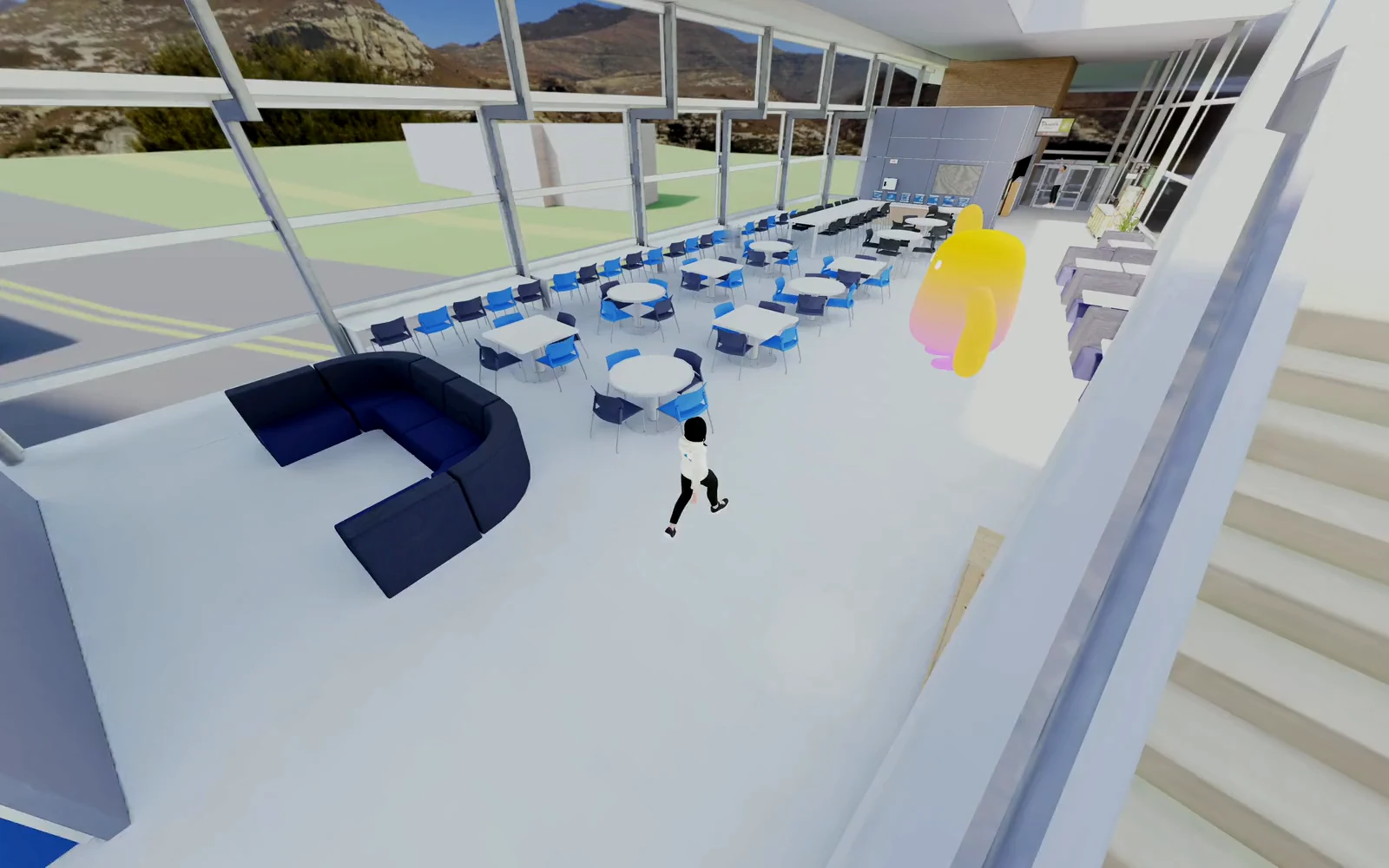
A third-person walk through a furnished floor plan, with the camera following the character through stairs, halls and seating areas.

Close view of the animated character stepping past an L-shaped wooden bench under a white steel staircase with glass railings.

Hotspots on a photo

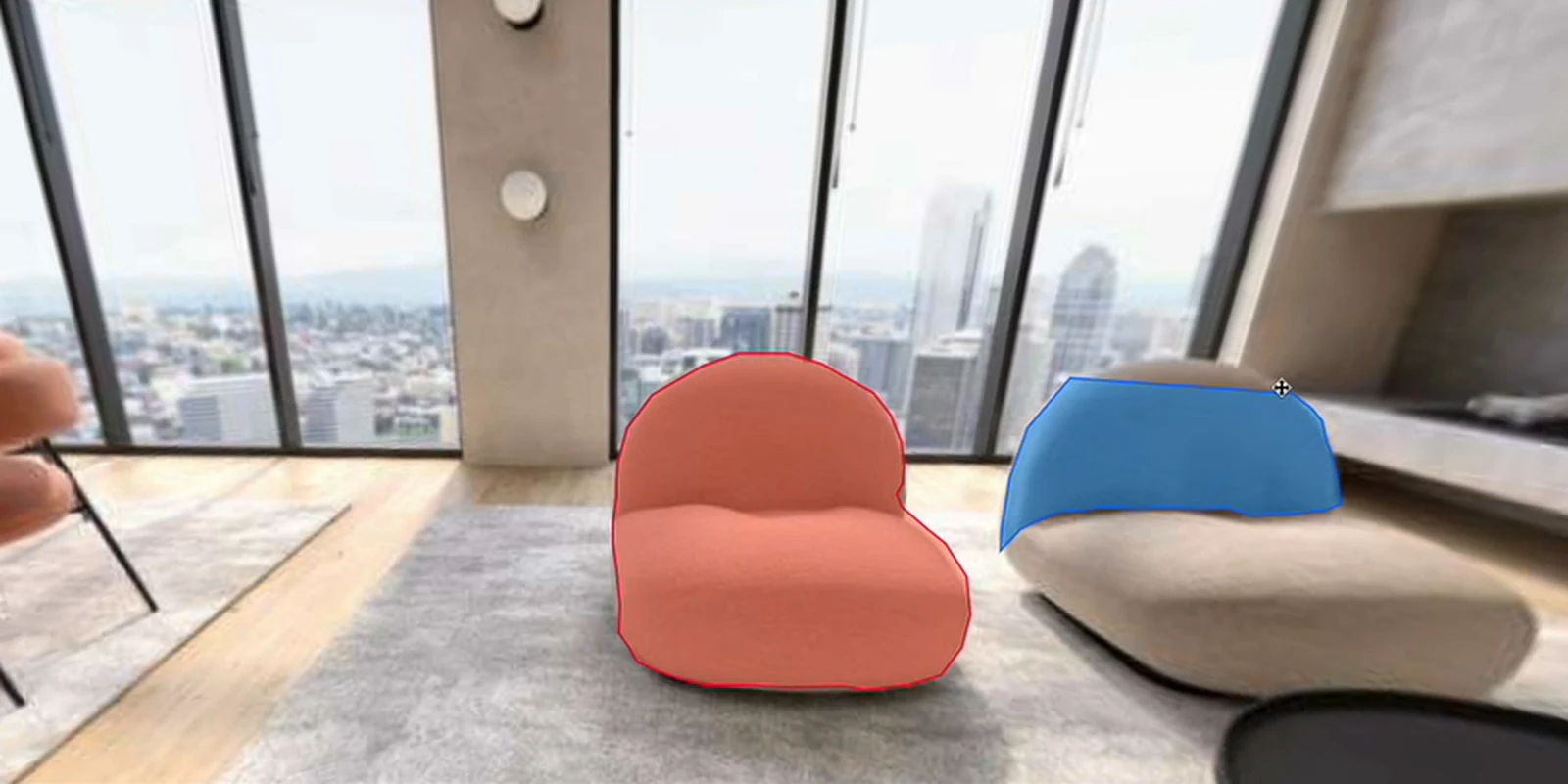
Trace a polygon around a piece of furniture in a 360° panorama, point by point (split, undo, cancel), and it becomes a clickable, highlighted hotspot in the photo.

AR on a phone

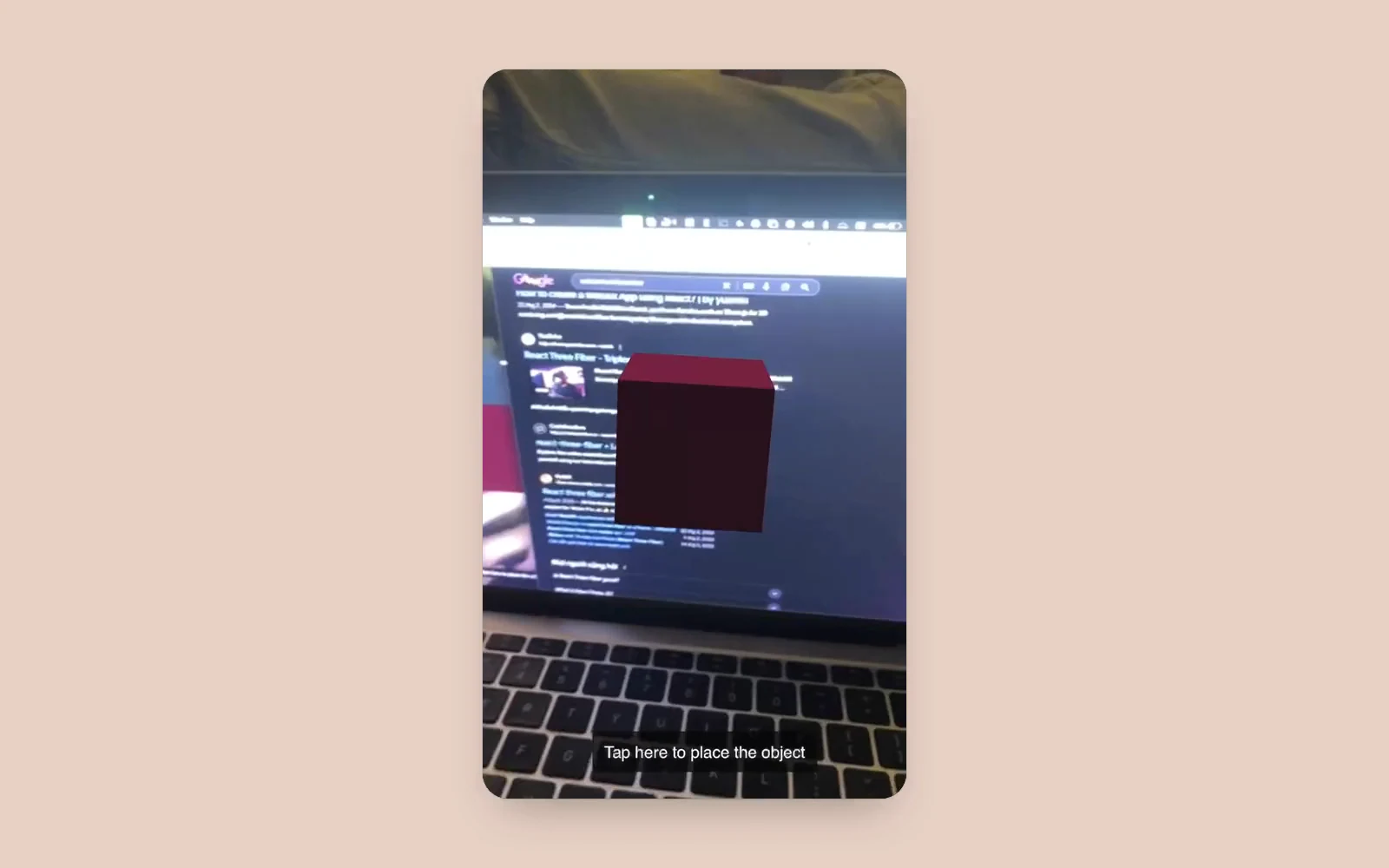
WebXR in the phone browser: tap to place an object in your own room, tap again to pick it up.

Key decisions

  1. Physics character, rigged camera

    The character is a Rapier rigid body and the camera follows two empty groups parented behind it, so walls, stairs and gravity need no hand-written collision.

    Problem, choice and trade-off: Physics character, rigged camera
    Problem
    Visitors walk the space as a character, through halls and up stairs, with the camera following.
    Choice
    The character is a Rapier rigid body with a capsule collider and locked rotations; each frame sets its velocity from the keys and eases its facing with an angle lerp. The building is a fixed trimesh collider plus an invisible collider mesh, and the camera follows two empty groups parented behind the character, one for position and one for look-at.
    Why
    Physics handles walls, floors and gravity, so walking needs no hand-written collision, and the follow camera comes down to reading two world positions.
    Trade-off
    Stairs and camera smoothness each needed a follow-up fix, and trimesh colliders built from visual geometry are heavier than simple shapes.

Credit. The walkthrough building is an open-source baked scene and the avatars are downloaded assets; the panoramas came from the studio. The loops are 2024 screen recordings; the cover was captured in 2026 from the original code.

Next case

Cao Lan Anh

Portfolio + CMS for a marketing executive